
Preventing Frozen Systems: A Homeowner's Guide
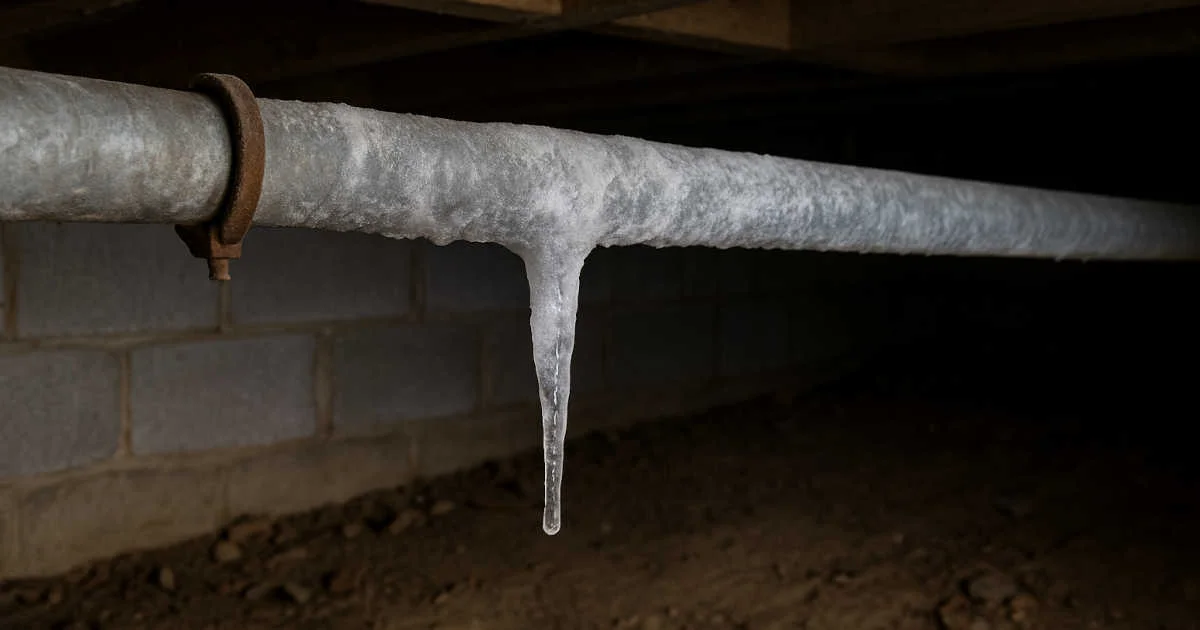
Every winter, homeowners face the threat of frozen systems. When temperatures plummet below freezing, water in your home systems can freeze, expand, and cause components to burst—leading to extensive damage and costly repairs. Our team responds to dozens of frozen system emergencies each winter. The good news? Most of these disasters are entirely preventable.
Understanding the Risk
Systems freeze when:
- Temperatures drop below 20°F (-6°C)
- Components are exposed to cold air
- Water remains stationary in systems
- Insulation is inadequate or missing
The most vulnerable systems in your home are:
- Outdoor water systems and sprinkler lines
- Systems in unheated areas (attics, basements, crawl spaces)
- Components running along exterior walls
- Systems in garages or other unheated structures
Prevention: Your First Line of Defense
Before Winter Arrives
1. Disconnect and Drain Outdoor Equipment Remove all garden hoses and drain water from outdoor systems. Install frost-proof connections or use insulated covers on outdoor access points.
2. Insulate Vulnerable Components Use insulation sleeves, heat tape, or heat cables on exposed systems. Pay special attention to components in unheated areas. The small investment in insulation can save thousands in repairs.
3. Seal Air Leaks Use caulk or insulation to seal gaps around systems where they enter your home. Even small openings can let in enough cold air to freeze components.
4. Know Your Shut-Off Valve Location Every family member should know where the main water shut-off valve is located and how to use it. In a pipe burst emergency, seconds count.
During Cold Snaps
1. Keep the Heat On Never set your thermostat below 55°F, even when away. The money saved on heating bills won’t cover burst pipe repairs.
2. Open Cabinet Doors Allow warm air to circulate around systems under sinks, especially those on exterior walls.
3. Let Water Flow A slight flow keeps water moving, making it harder to freeze. Focus on areas served by exposed systems.
4. Keep Garage Doors Closed If water supply lines run through your garage, keep doors closed to maintain warmer temperatures.
Thawing Frozen Systems Safely
If you turn on a faucet and only a trickle comes out, you likely have a frozen system. Here’s what to do:
Do:
- Keep the faucet open - Running water helps melt ice
- Apply heat gradually - Use a hair dryer, heating pad, or towels soaked in hot water
- Start near the access point - Work toward the coldest section
- Check all water outlets - One frozen area often means others are at risk
Don’t:
- Use open flames - Never use a torch or other open flame
- Use electrical devices near water - Avoid electrocution risk
- Ignore the situation - Frozen systems won’t thaw on their own in cold weather
When Systems Fail: Emergency Response
If a system component bursts:
- Shut off the main water valve immediately
- Turn off electricity to affected areas if water is near electrical outlets
- Call our office for emergency service
- Document damage for insurance purposes
- Remove water quickly to prevent mold and further damage
Special Considerations for Vacation Homes
Vacation properties face unique challenges:
- Winterize home systems when not in use
- Consider a smart thermostat for remote monitoring
- Have a trusted neighbor check the property during cold snaps
- Install leak detectors connected to your phone
The True Cost of Frozen Systems
Prevention costs:
- System insulation: $50-200
- Professional winterization: $200-500
- Smart thermostat: $200-400
Frozen system damage costs:
- System repair: $500-1,500
- Water damage restoration: $2,000-10,000+
- Mold remediation: $1,500-5,000
- Temporary housing: $100-300/day
Our Emergency Services
When prevention fails, we are here 24/7 with:
- Immediate response to system failures
- Professional thawing equipment
- Complete system repair and replacement
- Damage mitigation
- Insurance claim assistance
Professional Winterization Services
Let our experts protect your home:
- Comprehensive system inspection
- Professional-grade insulation installation
- Vulnerable area identification
- Shut-off valve location marking
- Customized prevention plan
Act Now, Not Later
The best time to prevent frozen pipes is before temperatures drop. Don’t wait for the first freeze warning to take action.
Special Offer: Schedule a winterization inspection before November 15th and receive 20% off insulation installation.
Remember, an ounce of prevention is worth a pound of cure—especially when it comes to frozen systems. Contact our office to schedule your winterization service today. Let’s keep your home systems functioning all winter long!